You've certainly heard that "heavy metals" are bad for you. And aluminum is among the worst.
Aluminum can damage the endocrine system, leading to widespread hormonal imbalances. This is especially true when it's absorbed through the lymph system. It has also been linked to breast cancer, lung and prostate cancer. And it's a potent neurotoxin, clearly associated with dementia and Alzheimer’s.
These are just the more direct risks of this highly reactive metal. And given its toxicity, the ways that many people use aluminum on a daily basis are rather shocking...
We cook food at high temperatures using aluminum pots and pans. We rub aluminum-laced deodorants under our armpits (which allows direct access to the lymphatic system). We drink from aluminum cans. We take antacids and other medications (like aspirin) which contain aluminum. It is also a common industrial pollutant.
We use it as a preservative in dental preparations and vaccines — two “medical” applications that allow this poison direct access to our bloodstream!
Patents have even been issued for spraying aluminum from airplanes as a reflective "sunscreen" for the planet to combat global warming. We'll save this topic for another day... but there's good evidence that this covert "geoengineering" project is already underway.
Suffice to say that aluminum is virtually ubiquitous. And even the most ardent users of organic foods and natural products are likely have elevated levels.
Because it is very difficult to detox, aluminum bio-accumulates. This can cause serious dysfunctions including immunosuppression, mood disorders, osteoporosis, chronic fatigue, inflammation, respiratory illness (and, of course, the disease states listed above).
The presence of aluminum blocks the production of essential enzymes and proteins throughout the body. This can cause premature aging, cell dysfunction, behavioral changes via altered brain structure and even DNA mutation.
In short, aluminum is something best cleared from the body if you want to maintain optimal health.
However, there is only one medical “treatment” for aluminum toxicity: a chelating drug called desferoxamine. As usual with pharmaceutical drugs, this one comes with a long list of side effects, including skin conditions, numbness, burning pain throughout the body, blurred vision, tinnitus, dizziness, and more.
Fortunately, there is a better and more natural way to protect your body...
Turmeric: Battling Toxicity on Every Level
If you're interested in optimal health and nutrition, you've probably noticed the very long list of conditions on which turmeric has a beneficial effect.
Aluminum toxicity is no exception. A handful of studies have already demonstrated that this powerhouse root can protect your body from (and even reverse) the deleterious effects of heavy metals.
So how does turmeric do it?
Turmeric’s anti-inflammatory and antioxidant activities are well-known. By neutralizing both chronic inflammation and oxidative stress—two of the greatest inhibitors of the body’s natural detoxification functions—turmeric helps protect against the negative effects of aluminum and other heavy metals.
By increasing your body’s production of antioxidants like glutathione and superoxide dismutase, turmeric empowers your body to neutralize stress caused by aluminum.
Turmeric also protects the specific organs often associated with aluminum toxicity, such as the kidneys. It also helps protect the liver against aluminum-induced damage. It helps prevent brain degeneration, which is easily catalyzed by aluminum buildup.
This amazing little root even directly chelates aluminum from the body. It works as effectively (or more so) than pharmaceutical agents, with only positive side effects.
The Best Way to Take Turmeric
As the popularity of this ancient medicinal food continues to skyrocket, so do the potential choices available to you for using it therapeutically.
The shelves of health food stores are packed with turmeric products. Pills, powders, liquids, extracts, and more. And, of course, it is available as raw root in most well-stocked grocery stores.
Here’s some tips for narrowing down your search.
-- Raw turmeric root is an excellent ingredient to integrate into your cooking. I love throwing a big piece of peeled root into soups and smoothies.
-- Powdered turmeric sold as a spice is lovely for flavoring, but it’s not suited for therapeutic use. You would have to use more than is feasible to achieve a measurable effect.
-- If you really want to take advantage of turmeric’s ability to protect you from aluminum (as well as the rest of its unending benefit list, to which over 6,000 studies attest), you’ll need to take a supplement.
Various clinical studies have revealed that the concentrations of curcumin in blood plasma from capsules are extremely low, regardless of dosage size.
So HOW can you be assured that you get the benefits of curcumin?
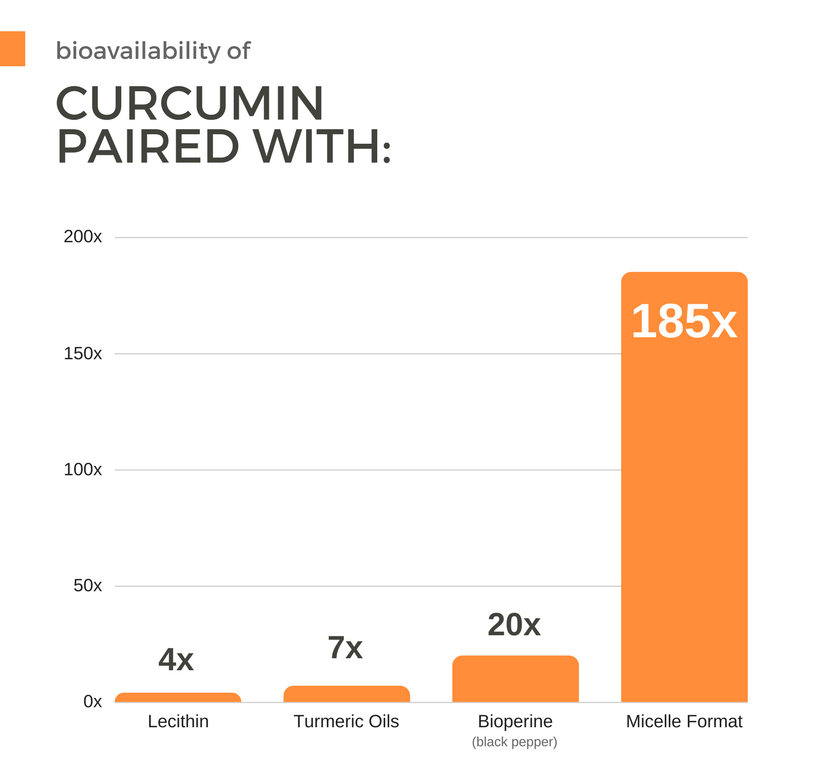
Study Shows: Curcumin Blood Levels 185x Higher
A study published in the journal of Molecular Nutrition & Food Research compared the bioavailability of curcumin in many different forms.
Twenty-three subjects were given a single, 500-mg dose of curcuminoids in various forms. Blood samples were taken throughout a 24-hour period. The researchers measured peak blood concentrations for total curcuminoids.
The bioavailability results as compared to native curcumin came back as follows: